FEATURE
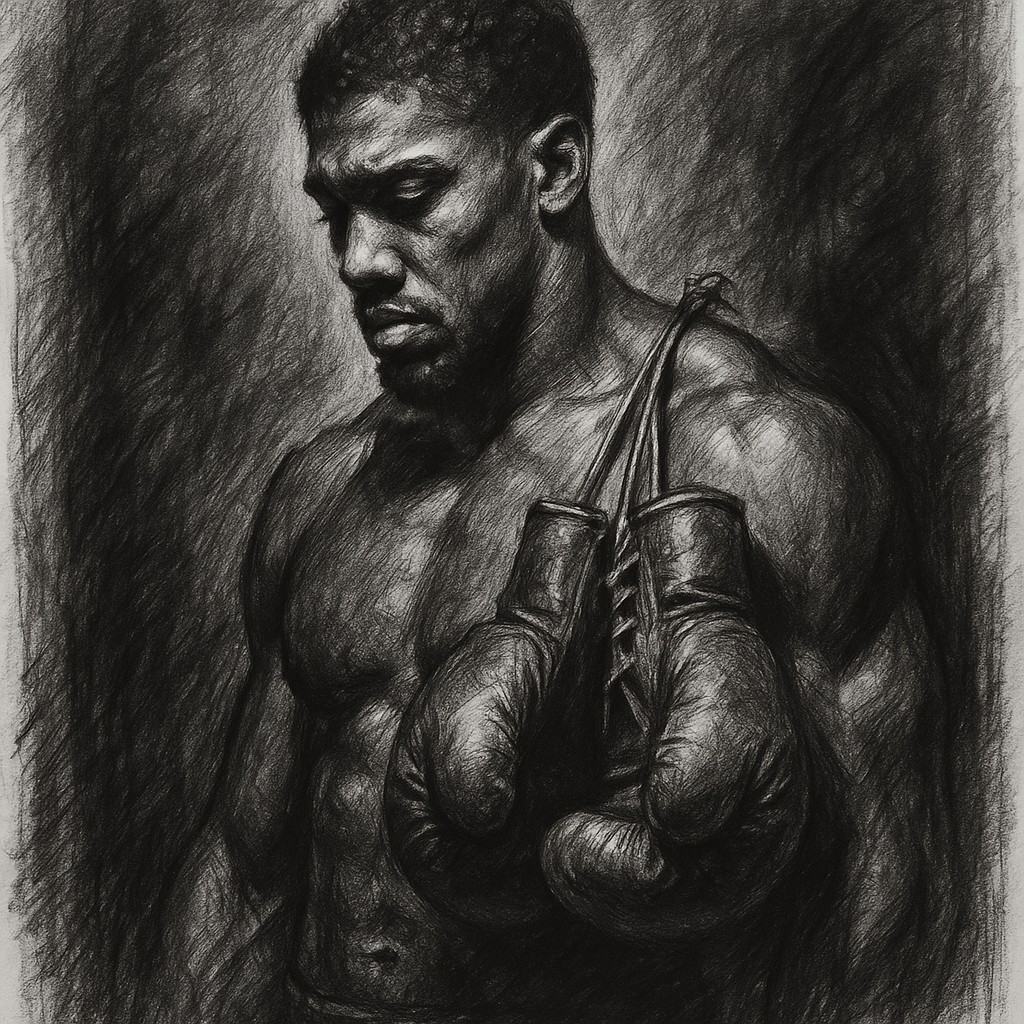
Anthony Joshua's Road Back — The Tragedy That Changed Everything
Anthony Joshua was supposed to be back by March. A comeback fight, then Fury in the autumn. Instead, a devastating car crash in Nigeria on December 29 killed two members of his team and changed everything. Now Eddie Hearn targets July — but only when AJ is ready, not when the calendar demands it.
March 27, 2026
Boxing Lookout
- Anthony Joshua's 2026 return delayed after a motorway crash in Nigeria on December 29 killed strength coach Sina Ghami and trainer Latif Ayodele
- Eddie Hearn confirms a working target of July 2026 for Joshua's comeback, with no opponent confirmed — Dillian Whyte the frontrunner
- The Fury superfight pushed back to late 2026 at the earliest, with early 2027 more realistic
December 29 Changed Everything
There's no way to write about Anthony Joshua's 2026 without starting with what happened on a motorway in Nigeria on December 29. Joshua was involved in a serious road collision that killed two members of his inner circle: strength and conditioning coach Sina Ghami and trainer Latif Ayodele. Two men who were part of AJ's daily life, part of his fight preparation, part of the machinery that makes a world-class heavyweight function.
The boxing world can be callous sometimes. There were people asking about fight dates within days. When's the comeback? What about Fury? The sport doesn't stop for grief, but the man inside the fighter has to process what happened before the fighter can return.
Joshua, to his credit, has handled this with the dignity that has defined his career outside the ring. He's been quiet. He's been processing. He hasn't rushed back to the gym for the cameras or posted motivational content on social media. He's been grieving, and that takes however long it takes.
The Original Plan — And What Happened to It
Before December 29, the roadmap was clear. Joshua was targeting a March 2026 comeback fight — a carefully selected opponent to shake off the ring rust after his loss to Jake Paul. Win that, look sharp, and then the Fury superfight in August or September. It was the fight British boxing had been waiting for since 2015, and it was finally within touching distance.
Eddie Hearn confirmed in February that everything had changed. The March comeback was cancelled. The August Fury fight was off the table. The new working target was July, but Hearn was clear: nothing would be forced. Joshua would return to camp when he was ready, demonstrate he was physically and mentally prepared, and only then would a date be set.
That's the right approach. Joshua doesn't need to rush. He's 36, but he's not at the end of his career. He's got the financial security to take his time, and more importantly, he's got a promotional team in Hearn and Matchroom who understand that pushing a grieving fighter back into camp too early serves nobody.
Who Does He Fight?
Assuming a July return, the opponent becomes crucial. It has to be someone credible enough to test Joshua without being expected to derail the entire Fury narrative. Dillian Whyte has been the name most consistently attached to discussions, and it makes sense on every level.
Whyte and Joshua have history. Their first fight in 2015 was a genuine war that Joshua won by seventh-round stoppage. A rematch eleven years later carries narrative weight, commercial appeal, and competitive credibility. Whyte's been competitive in recent fights, he's a known quantity, and the domestic rivalry angle sells itself.
Beyond Whyte, there are other options. Joseph Parker, who Joshua beat by decision in 2018, could provide a similar level of opposition. But Whyte feels like the right fight at the right time — a domestic grudge match that gets Joshua back in the ring, back in front of a British crowd, and back in the conversation.
What About Fury?
Fury vs Joshua remains the biggest fight in British boxing history. It's the one that defines both men's legacies, the one that fans have demanded for a decade, and the one that would sell out Wembley in minutes. But it's been pushed back again, and the timeline is now late 2026 at the absolute earliest, with early 2027 more realistic.
Fury returns on April 11 against Makhmudov at Tottenham. If he wins — and he should — he's said he wants Joshua next. But that requires AJ to be active, sharp, and ready. A July comeback fight, win convincingly, and then Fury-Joshua in December or January. That's the path, and it's still possible. But it requires everything to go right, and boxing rarely works that way.
The alternative is that Joshua takes longer than expected, or the comeback fight doesn't go well, or Fury's own timeline shifts. In that scenario, the fight slips into 2027, and both men are another year older. The window for Fury-Joshua isn't closed, but it's not going to stay open forever.
The Verdict
Anthony Joshua's story in 2026 is a human one before it's a boxing one. He lost people he cared about, and the sport can wait until he's processed that. When he does come back — and he will come back — the talent, the power, and the drawing power are all still there. July feels realistic. Whyte feels right. And if everything aligns, we might still get the Fury fight before the year is out. But for now, the only thing that matters is that Joshua is okay. The boxing can come later.