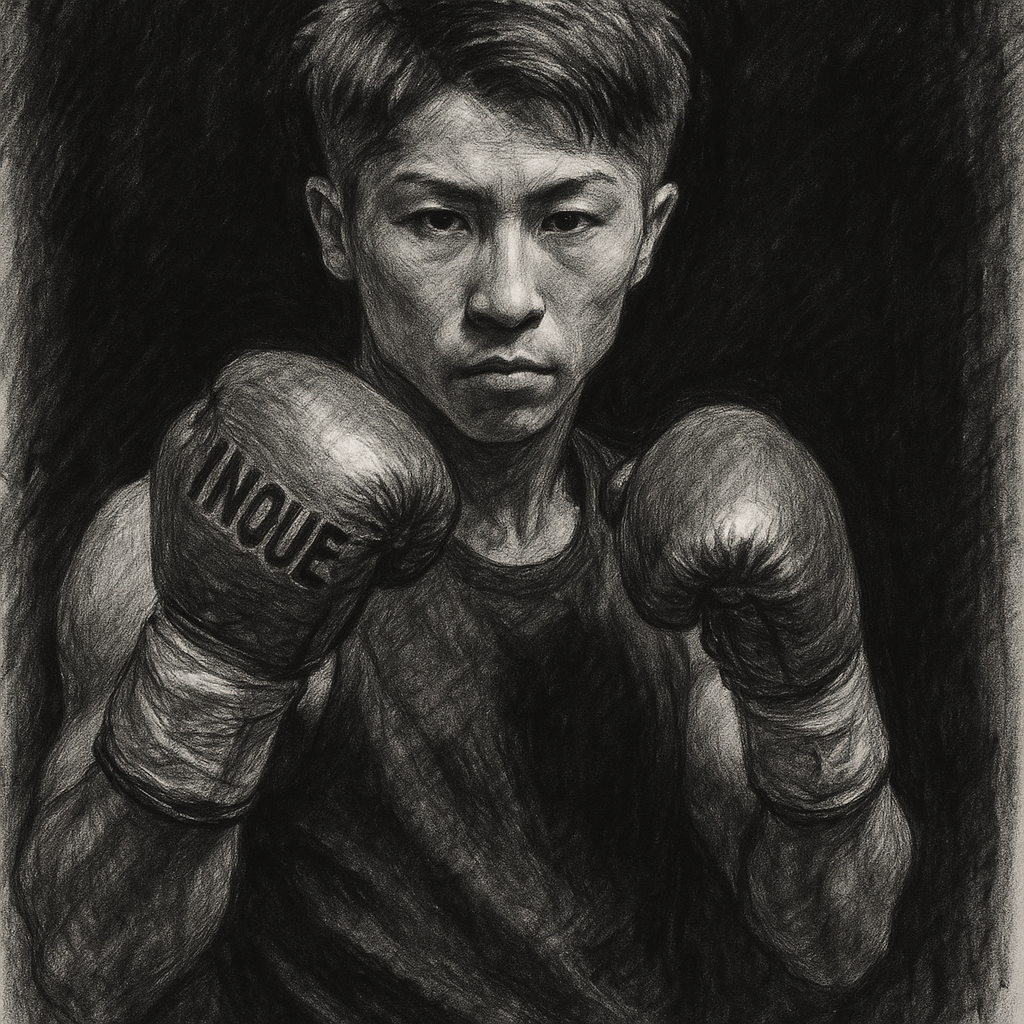
- Inoue won most of the first six rounds without taking a single meaningful risk — banking points while Nakatani froze
- The accidental head clash mid-fight rattled Nakatani's eye and handed Inoue control of distance for the rest of the night
- The cautious approach was a tactical choice, not a fading one — and it set up the Bam Rodriguez money fight in 2027
Right Then — The Tokyo Dome Was Underwhelmed
Right then. Let's not beat around the bush. Naoya Inoue versus Junto Nakatani was meant to be the biggest fight in Japanese boxing history. 55,000 inside the Tokyo Dome, the eyes of the sport on it, two undisputed-class operators sharing a ring at the peak of their careers. And the first six rounds? Whisper it — a bit dull. The crowd noticed. The Japanese press noticed. The scorecards (115-113, 116-112, 116-112) tell you it was closer than the build-up suggested it should be.
Make no mistake though. What looked like a cautious Inoue was actually the most calculated performance he's put in for years. He read the room, he read the opponent, and he picked the version of himself that absolutely could not lose. That's not fading. That's class.
The Risk Nakatani Never Made Him Take
Here's the thing about Nakatani that everyone outside Japan undersold going in. He's enormous for the weight, he punches like a man two divisions north, and he's the only fighter at 122 pounds who could realistically hurt Inoue with one shot. The Monster knows it. His corner — Hideyuki and the team in his book — knows it. So what do you do?
You don't trade. You don't stand in front. You make the bigger man come to you, and you don't give him the centre of the ring until you've banked enough points that you're up by miles. That's exactly what Inoue did. He was levels above on movement, levels above on hand placement, levels above on shot selection. He just chose not to engage. The first three rounds were almost entirely jabs and feints. Round four he opened up for about ten seconds and went straight back to the chess.
The Head Clash That Changed The Fight
Halfway through, the two clashed heads and Nakatani came away with blood spilling into his right eye. From that moment, the fight changed. Nakatani was already a beat slow, and now he was fighting through compromised vision against a man who can pick a target inside a phone box. The cut didn't end the fight, but it ended any hope Nakatani had of dragging Inoue into a brawl. The smart approach Inoue had picked from round one suddenly became unbeatable.
You can argue all you like about whether the fight needed more from Inoue. The answer is no. Why would he take a single needless punch from a man who hits like that, when he's already winning the rounds without doing it?
What It Tells Us About Inoue At 32
This is the bit people aren't saying loudly enough. Inoue is 32 years old, he's been a professional since 2012, and he's had wars with Nonito Donaire, with Marlon Tapales, and now with Nakatani. The body has miles on it. The brain still works perfectly. He doesn't need to be the human highlight reel any more — he just needs to keep winning, and keep winning at the highest level. He did exactly that on Saturday.
This wasn't a man slipping. This was a man choosing his battles. There's a difference, and it's enormous.
The Bam Rodriguez Money Fight
Eddie Hearn confirmed within hours of the bell that talks for Jesse "Bam" Rodriguez are already at the preliminary stage, with February 2027 in Japan as the target window. That's the fight Inoue was protecting on Saturday. You don't go in with Nakatani, take five flush counters trying to make a statement, and then turn up to camp for Bam Rodriguez with knee or elbow problems. Inoue protected himself, banked the W, and now lines up the biggest financial night of his career. Smart, smart, smart.
The Verdict
If you wanted a war, sorry. Inoue isn't in the business of giving you a war when an exhibition of points-banking will do the job. The undisputed super bantamweight crown is still his, the Bam Rodriguez fight is on the table for 2027, and the only people who left the Tokyo Dome unhappy are the ones who got the Inoue script wrong in the first place. He's not in his Donaire era any more. He's in his peak-management era. And on this evidence, he's brilliant at it.