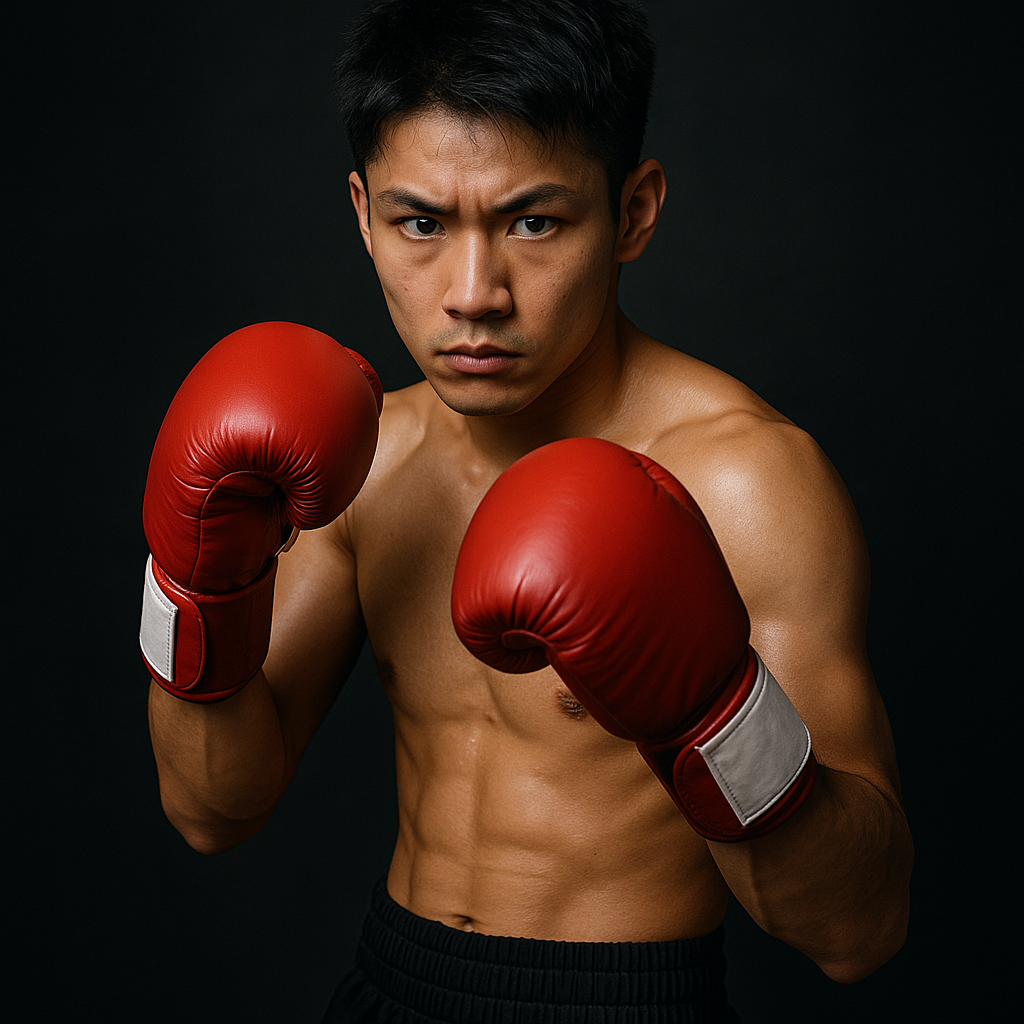
Right then, three days out from the Tokyo Dome and we have officially crossed the line from boxing event into proper national happening. Naoya Inoue versus Junto Nakatani on Saturday is what the boxing world has wanted for a year. What it has become — that is something else entirely.
The Resale Numbers Are Properly Mad
Tickets that were originally priced at around 250,000 yen for floor seats are now reportedly listing on the Japanese secondary market above 1.5 million yen. That is close to ten thousand US dollars, and the numbers keep climbing as the night gets nearer. Upper-tier seats that went for 30,000 yen are trading at five and six times face value. If you bought a pair when they went on sale and you are willing to flip, you could be looking at a deposit on a flat by Saturday night.
Make no mistake, this is not a Mayweather-Pacquiao casino-card scenario where corporate boxes are sloshed into private hands. This is an organic Japanese boxing crowd, the kind that queued for hours when tickets went live, finding that the demand from the rest of the country has properly outstripped supply. Tokyo locked in. Then Osaka locked in. Then the cinemas filled. Now anyone left without a seat is paying through the nose to be in the room.
116 Cinemas, Almost All Full
The numbers off the gate are just as ridiculous. 116 cinemas across Japan are streaming the fight on Lemino, and the majority are already sold out. Public screens are going up in city centres — Shibuya, Namba, Sapporo. The fight is going to be watched by tens of millions of Japanese eyes simultaneously, and the country has not had a night like this since the early 2000s. Boxing in Japan has been quietly building back to this moment for a decade. Inoue dragged it most of the way. Nakatani shoved the rest.
Let's not beat around the bush — this is the most significant sporting event Japan has hosted this decade. The Tokyo Olympics happened mostly behind closed doors. The World Baseball Classic was big but not this big. A boxing match, between two undefeated Japanese champions, in their absolute primes, with five world titles on the line. If you know, you know — this is the one.
What The Resale Tells Us About The Fight
Here is the bit that I find brilliant. The resale market is not just rich punters paying through the nose for a corporate evening — it is hardcore boxing fans who properly understand what is on the line. People are shifting holiday plans, cashing pension lump sums, getting on Shinkansens at four in the morning to make Saturday night. That kind of grassroots demand only happens when the public believes the fight will deliver. And nobody in Japan is sleeping on this one.
Nakatani is the most dangerous live underdog in boxing. Long, southpaw, brilliant timing, ice in his veins, and a body shot that has folded better men than him over. Inoue is the Monster. The hand speed is silly, the timing is generational, the punch resistance has been tested and held up. Both undefeated. Both undisputed-level. Both walking in with absolutely no reason to take a backward step.
Luke's Pick — Three Days Out
I have not budged from my read all week. Inoue by stoppage, late, somewhere between rounds eight and ten. Nakatani will land. He will hurt the Monster at some point — probably with the straight left to the body — and he will steal rounds early when he is at his sharpest and the pace is high. But the levels show up in the championship rounds, and once Inoue finds the rhythm, the body work piles up, and the eyes go. That is the pattern. That is how the Monster wins big fights.
Saturday is going to be brilliant. The resale market knows it. The cinemas know it. The 55,000 in the Dome know it. If you can see it on a big screen, do it. If you cannot, find a stream and clear the room. This is the fight of the year and it is a class moment for the sport.