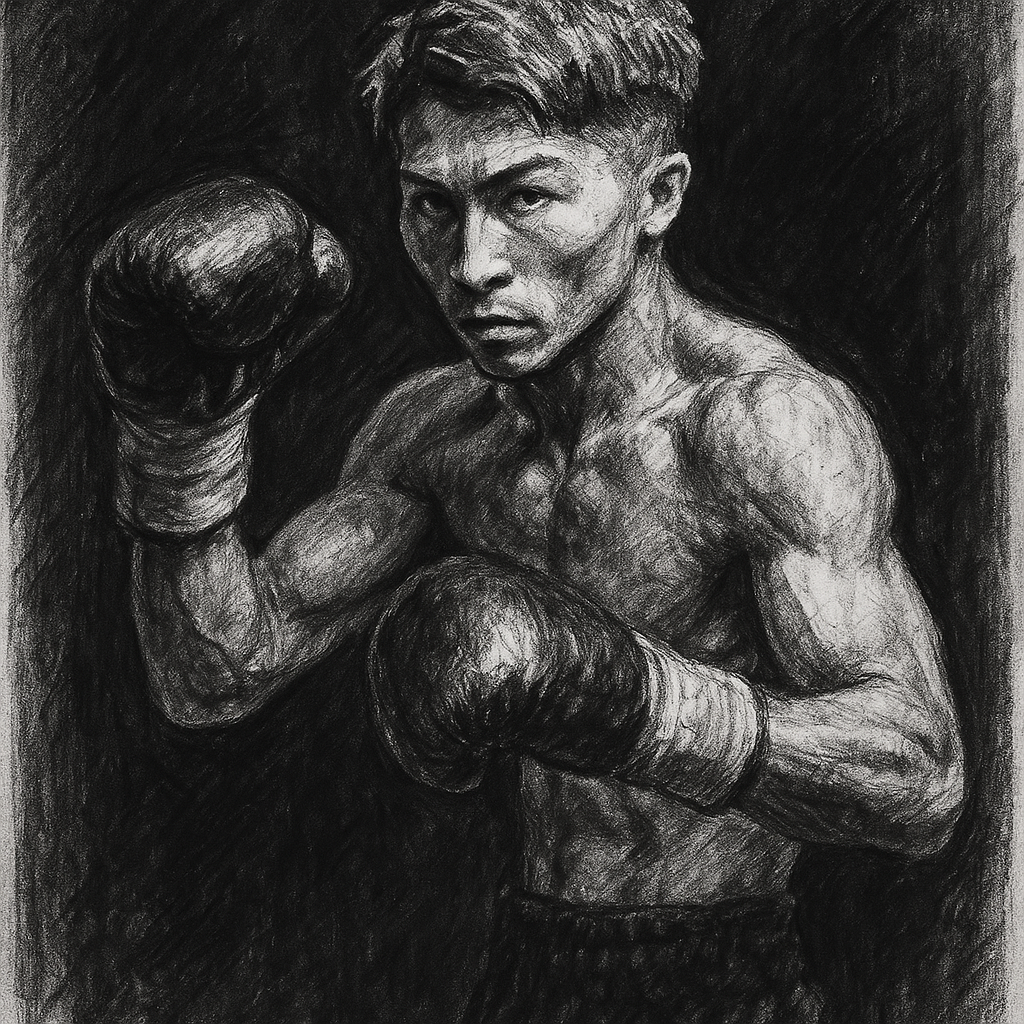
- Inoue's reported ¥840 million purse — about £4.4 million — is the biggest in Japanese boxing history
- Tokyo Dome 55,000 sold out, Lemino domestic PPV plus DAZN worldwide stream — Japan finally talks PPV money
- WBC's $100K diamond ring on top — symbolic, but the message is Japan now writes A-side cheques
¥840 Million And A Sold Out Dome — The Numbers Are Real
Right then. The number doing the rounds out of Tokyo this morning is ¥840 million. That is roughly £4.4 million in real money for Naoya Inoue's slice of Saturday night at the Tokyo Dome. Make no mistake — this is the biggest single pay packet in Japanese boxing history. Lemino's domestic PPV plus the worldwide DAZN PPV finally turned The Monster's Tokyo nights into something that pays like a Vegas main event.
Sit with the figure for a second. Inoue's previous Japan-record purse was the $19 million he banked for the Murodjon Akhmadaliev unification — but that was paid largely off Saudi money and travelled paper. This is different. This is a Tokyo Dome ticket gate, a Lemino streaming check, a DAZN worldwide rights cheque, and the WBC's $100,000 custom diamond ring stacked on top. Japanese boxing has never written a sum this big from its own desk.
What 55,000 Tokyo Dome Tickets Buy You
Let's not beat around the bush — when 55,000 tickets sell out in under an hour, the venue runs the conversation. Tokyo Dome only opens its doors to boxing rarely. The previous reference points are Inoue's own opening to this arena and the Mike Tyson knockout loss to Buster Douglas in 1990. That is the company this fight keeps. The Dome is selling at proper concert money, the broadcasters are paying proper concert money, and Inoue's purse reflects that he is the highest-grossing draw boxing has ever produced inside Japan.
Nakatani's Number — The Question Nobody Will Confirm
Junto Nakatani's end of the deal hasn't been disclosed and probably won't be. Japanese promotion routinely keeps the B-side number out of the press. But you don't get a man like Nakatani to vacate his three-belt flyweight championship and chase Inoue at 122 for short money. The educated read is a career-best purse for Junto too — well into seven figures sterling, which by Japanese standards is also a record purse for a challenger.
Why The Money Matters For Boxing In Japan
Here's where it gets brilliant. For years Japanese boxing has been the highest-quality, lowest-paid product in the sport. Class fighters earning teacher's wages while Vegas, Riyadh and London write the cheques. That changes Saturday. If Inoue can deliver Tokyo Dome PPV numbers that justify ¥840 million in salary, the next Japanese star — Kenshiro, the Kyoguchis, the next Kazuto Ioka heir — has a number to point at. Japanese boxers no longer have to flee to America to get paid like a star.
It also matters for the rest of the world. The smaller weights have always been treated as undercard meat in the West. Inoue is the man who proved the bantam and super bantam classes can sell a Dome and a worldwide PPV at the same time. Tokyo on Saturday is the receipt.
The Pick Hasn't Changed
Money doesn't make the fight. Inoue's still the favourite and the pick is still Inoue by late stoppage — somewhere between rounds eight and ten when Nakatani's volume dips and The Monster lands the body shot that ends the night. But every man in that ring on Saturday is fighting for a number that nobody in Japanese boxing has fought for before. That alone makes the storylines a level above what was on the table even six months ago.
If you know, you know. Saturday's about the fight. But Friday's number tells you the sport finally treats Naoya Inoue like the global superstar he's always been.