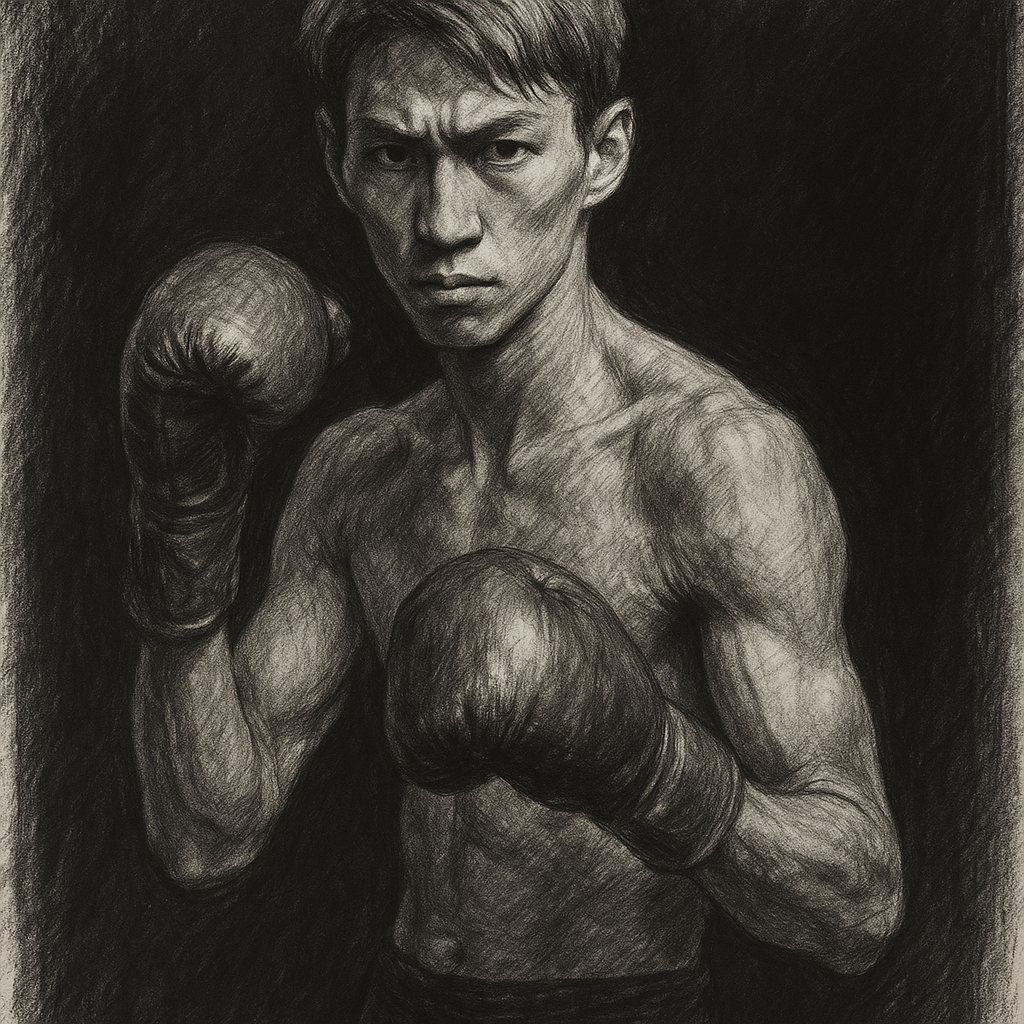
- Nakatani's first loss came via unanimous decision but the round-ten cut from a clash of heads was the equaliser
- Through nine rounds the fight was genuinely competitive — Nakatani won rounds and hurt Inoue at points
- Comeback roadmap: a top-ten opponent next, then a rematch with Inoue inside twelve months has to be the dream
Right then — let's not beat around the bush. Junto Nakatani took his first professional loss tonight, and on a different night with a slightly different cut, he might have walked out of the Tokyo Dome with the undisputed super bantamweight crown. The 32-1 record now reads what it reads. But the way you read this fight matters more than the scorecards.
Naoya Inoue won 116-112, 115-113, 116-112. The cut from the clash of heads in round ten changed everything. And Nakatani still walks away from this with his stock higher than it was on Friday morning. Make no mistake, this man is going to be a world champion at 122 the moment the Monster moves up — and that's not faint praise.
The Cut Was The Equaliser
Through nine rounds, this was a competitive fight. Genuinely. Inoue was sharper early but Nakatani found his range from round five onwards and at times he was the man dictating. The left hand was finding the target, the jab was tightening Inoue's guard, and the size advantage was beginning to tell. That round eight was Nakatani's best of the fight — clean punches, controlled distance, and an Inoue who was just beginning to look human.
Then the heads clashed in round ten. Blood started running, the cutman did what cutmen do, but the rhythm was gone. Nakatani started swinging for the equaliser instead of trusting the work that had got him there. Inoue, being the proper champion he is, smelled the shift and walked through the championship rounds. That's how you lose a close fight — by being denied the clean run-in to the finish line.
What Nakatani Showed Us
Here's what we learned tonight, and it matters more than the W or the L. Nakatani is real. He came in 32-0 with question marks about whether his power and skills would translate at 122 against the genuine elite, and he answered them in the most public way imaginable. He hurt Inoue. He won rounds. He took the Monster places the Monster doesn't normally go. That's not a beaten fighter — that's a champion-in-waiting who happened to come up short on one specific evening.
The technical side held up. The composure was there. The willingness to engage in a fight rather than try to box from outside was the right strategy and it nearly worked. The only thing missing was the closing kick in rounds eleven and twelve, and the cut had a lot to do with that.
The Comeback Roadmap
So what's next? Right then, here's how I see it. Nakatani is still WBC bantamweight champion in name and reputation, and he's still the second-best 122 in the world by some distance. The bounce-back has to be a genuine top-ten opponent — not a soft tune-up, not a six-rounder against someone he can clean out in three. He needs the round-stealing experience under pressure, ideally against another technical fighter who'll test him.
The names? Sam Goodman is the obvious one — Australian, technical, top-ten at 122 and the kind of opponent who tells you everything you need to know about where Nakatani is. Or a step back to bantamweight to clean out his old division could rebuild the brand. But the dream — and it's a brilliant one — is the rematch. Inoue versus Nakatani II inside twelve months, this time with no cut and no doubt about the championship rounds. The promoters will want it. The fans will want it. Both fighters will want it.
Don't Read The Loss As A Verdict
Boxing has a habit of treating any defeat as the end. Don't fall for that here. Nakatani lost by margins of 4, 2 and 4 points to a man who is arguably the greatest active boxer on the planet, in the biggest fight of his life, in front of the biggest crowd Japan has ever staged for a boxing match, with a cut that swung the late rounds. That's not a man who's been exposed. That's a man who's been measured against the absolute ceiling and come up just short.
If you know, you know — there are champions in every weight class right now whose careers wouldn't have survived what Nakatani went through tonight. He survived it, and he survived it well. Twelve months from now, this fight is going to look like a grounding, not a setback. He'll be back. And when he is, the Inoue rematch is the only fight that makes commercial sense.
Class Performance, Class Reaction
One last thing — the way Nakatani conducted himself after the decision was read deserves its own paragraph. No excuses about the cut. No complaints about the scorecards. A bow to Inoue, a bow to the crowd, a man who knows the work isn't finished. That's the temperament that gets you back to the top. That's the temperament that wins the rematch. Brilliant fighter. The first loss won't define him — what he does next will.
Junto Nakatani moves to 32-1 (24 KOs) after the unanimous decision loss to Naoya Inoue at the Tokyo Dome on May 2, 2026. Cut from a tenth-round clash of heads swung the championship rounds.