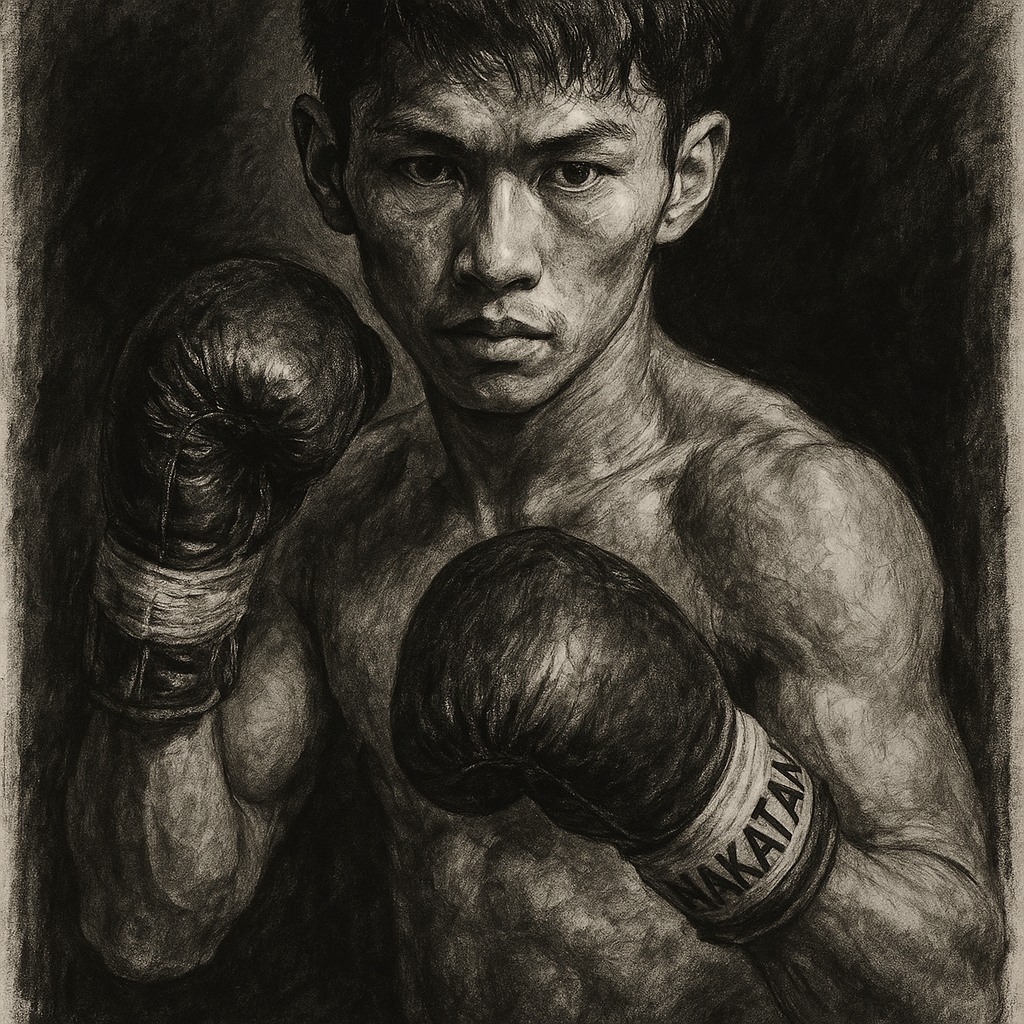
Right then. A week on from the Tokyo Dome and the temperature on a rematch is climbing fast. Junto Nakatani's trainer Rudy Hernandez sat down with Lucas Ketelle of BoxingScene in San Francisco and said something proper: "If we don't beat [Inoue] in the rematch, I will never train fighters again. I will retire. I will quit, because I really believe in the rematch we are going to kick Inoue's butt."
Make no mistake — that's the strongest possible signal a corner can send. Trainers don't put their whole career on the line for a soundbite. Hernandez genuinely believes he saw the blueprint at the Tokyo Dome, even though his man came up short on the cards.
The Round Eleven Moment
The most important detail Hernandez dropped wasn't the retirement vow — it was the round eleven explanation. The orbital fracture has been the talking point all week, with most people assuming it was the headbutt that did the damage. Hernandez shut that down. "People talk about the headbutt. The headbutt was irrelevant — it had nothing to do with the fight at all. The beginning of the eleventh round, [Inoue] hit him with a right uppercut, and that was the game-changer, that is where we lost."
That's a fight-altering admission. The cut and the swelling weren't accidental damage — they were a single, perfect Inoue right uppercut, landed at exactly the wrong moment for Nakatani. If you go back and watch the round, the punch lands clean, the fight changes shape inside thirty seconds, and Junto's right eye starts to close.
'He Doesn't Hit That Hard'
The other tell from Hernandez is the moment Nakatani turned to him in the corner — round seven, after the fight had been going Inoue's way — and said, in effect, the Monster wasn't punching as advertised. "The moment Junto told me that [Inoue] doesn't hit that hard. That was a game-changer. I wish he had told me that in the second or third round."
That's the regret. That's the thing eating at him. From round seven onwards, Nakatani had his best moments of the fight. The first six were tactical, cagey, with Inoue banking rounds with cleaner work. The middle stretch shifted. Then the right uppercut in round eleven took the fight back. Hernandez's argument is simple: if Junto starts a rematch with the confidence he eventually built — instead of losing the first six rounds to nerves and respect — the fight looks completely different.
Where That Leaves The Rematch
Inoue himself has already left the door open for a rematch, even as he flirts with a move up to featherweight. Nakatani's orbital surgery situation is being managed and there's no fight any time soon — Hernandez and the camp will want time to heal, time to recalibrate, time to fight twice on home soil before they go back into the lion's den. But the public commitment is now on the record.
The interesting question is what happens to Inoue's roadmap. If he goes to 126, the rematch becomes harder to make at the catchweight that suits both. If he stays at 122 and cleans out the rest of the division, the rematch becomes the only fight that matters in 2027. Inoue has said the right things publicly. Now he has to decide whether to make Hernandez's bet pay off — or call his bluff.
Luke's Read
Hernandez has done Junto Nakatani a favour here. By putting his career on the line, he's done two things: he's told the boxing world that the corner believes the puzzle is solvable, and he's lit a fire under Junto's healing process. There is no version of this in which Nakatani comes back, takes a couple of soft fights, and politely waits for Inoue to feel like running it back. The pressure is on now.
Was Junto-Inoue I a great fight? It was a proper one, and one of the best advertisements for boxing we've had in a generation. A rematch with both men healthy, both men knowing exactly what's coming, and Hernandez's career on the line? Levels above almost anything else on the table for 2027. If Hernandez is willing to bet his whole life on it, the rest of us should be willing to clear our calendars. If you know, you know.