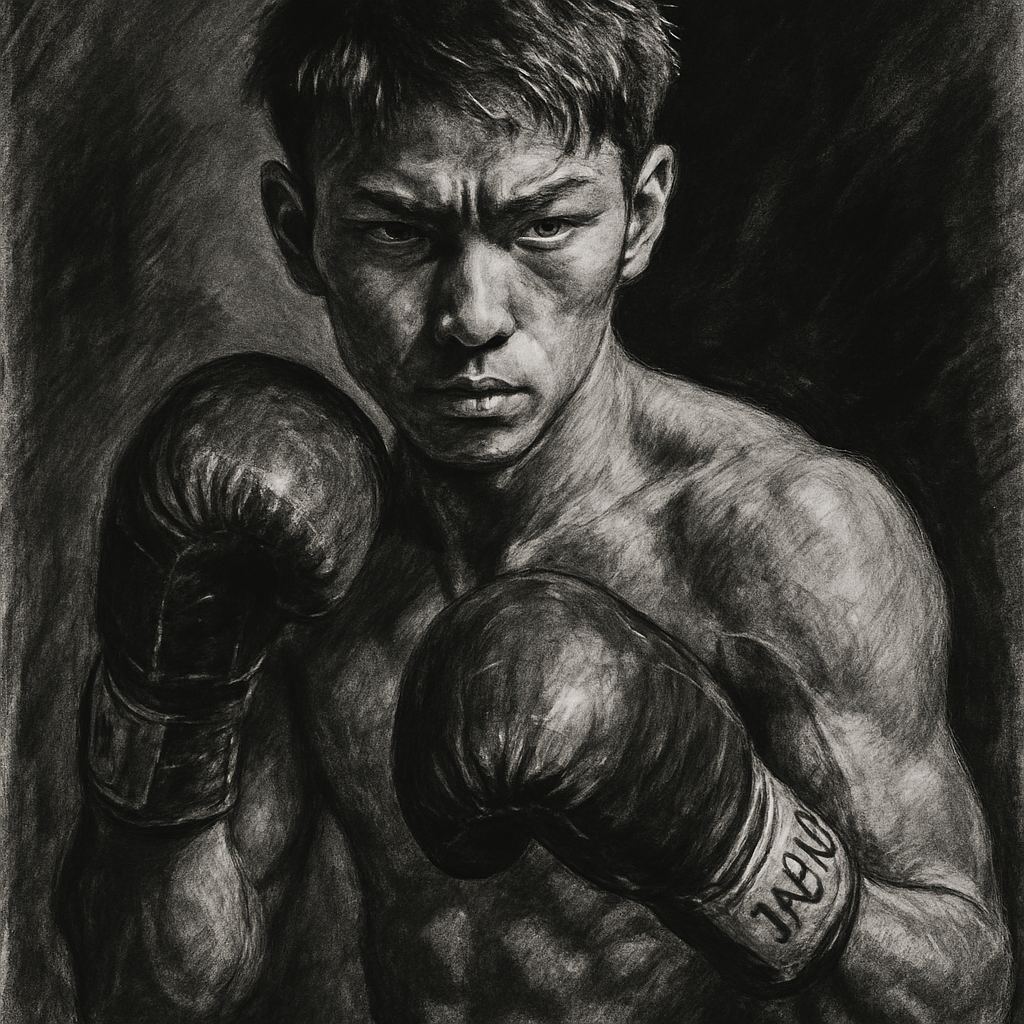
- Junto Nakatani is reportedly nursing an eye socket fracture sustained against Naoya Inoue at the Tokyo Dome on May 2
- The injury rules him out of any return inside three months at minimum, killing the lower-weight options Inoue's camp had floated
- An immediate rematch is now on ice — and if the fight ever happens again, it'll be on Inoue's terms, not Nakatani's
Right Then — The Cost Of A Brave Loss
Right then. Saturday's biggest fight in Japanese boxing history has cost the loser more than belts. Junto Nakatani reportedly sustained an eye socket fracture in his unanimous decision loss to Naoya Inoue at the Tokyo Dome on Saturday — and the recovery period attached to that injury changes everything about the second half of 2026 for the super bantamweight division.
An eye socket fracture, depending on severity, is normally a 12-week minimum lay-off before contact training is even back on the table. For a fighter who plans his year around three big windows — spring, late summer, December — losing 12 weeks doesn't just push the next fight. It vaporises the whole calendar plan.
The Rematch Question Just Got Harder
Make no mistake about what this does to the rematch chatter. Inoue, in his post-fight interview, opened the door to running it back "if the demand is there." Demand is there. The fight at the Tokyo Dome got a 55,000 live gate, the biggest TV numbers in Japanese boxing history, and a thoroughly competitive 12 rounds. The rematch sells itself.
But the rematch only sells itself if Nakatani is in good enough nick to look like the same fighter who took Inoue 12 the first time. A fighter coming back off an eye socket fracture is a different proposition. Eye orbital injuries — even ones that heal cleanly — affect a fighter's willingness to take the right hand high in subsequent fights. The next opponent always finds out within 30 seconds whether the fighter who got the injury is still throwing his guard up like he used to.
Inoue knows this. Ohashi knows this. The Inoue camp can now afford to wait Nakatani out, run another defence in the meantime, and only come back to the rematch when Nakatani has fought and looked good once more in between. That's a 12-month delay, minimum.
What Nakatani's 2026 Looks Like Now
Before Saturday, Nakatani had options. Stay at 122 and pursue another belt. Drop back to bantamweight where he was undisputed. Push up to 126 where the featherweight scene is wide open. The Inoue loss didn't kill those options — it just reset the calendar on them. The eye socket injury kills the calendar entirely.
Nakatani is now a Q4 2026 return at the absolute earliest. More likely Q1 2027. That's a full year off for a 28-year-old fighter at the peak of his powers. Twelve months out is enough to stiffen any boxer up. It's enough to make the second fight back the proper test rather than the first one. And it's enough to take the immediate rematch with Inoue off the table for any practical purpose.
What It Does To The Inoue Plan
Inoue's camp had a clean three-fight runway laid out — Nakatani, then a featherweight unification call (Inoue said himself he wants the 126 belts), then a potential closing super-bantam defence at the end of the year. The Nakatani rematch was the safety net behind those plans. With Nakatani injured, Inoue is now liberated to chase the featherweight unification full pelt.
That puts the bigger names at 126 — Rafael Espinoza, Angelo Leo if he beats Aleem on Saturday — directly in his crosshairs. The featherweight division was already shaping up as the next chapter of Inoue's career. Saturday's fallout has accelerated it.
The Take
Nakatani fought the bravest losing fight of any 122-pound fighter in years. He took Inoue 12. He had moments in the second half. He went home with a fractured eye socket and a 12-month detour. That's the brutal arithmetic of fighting Inoue at the Tokyo Dome. You can be brilliant. You can announce yourself on the world stage. And you can still leave the building with a year's worth of recovery in front of you.
The rematch will happen. Eventually. But not in 2026, and not on Nakatani's terms. By the time it lands, Inoue will likely have a 126-pound belt around his waist and Nakatani will have to come up to him. Saturday at the Tokyo Dome wasn't the start of a series. It was, more likely, the high water mark of Nakatani's career to date — and the moment his road forward got a year longer.