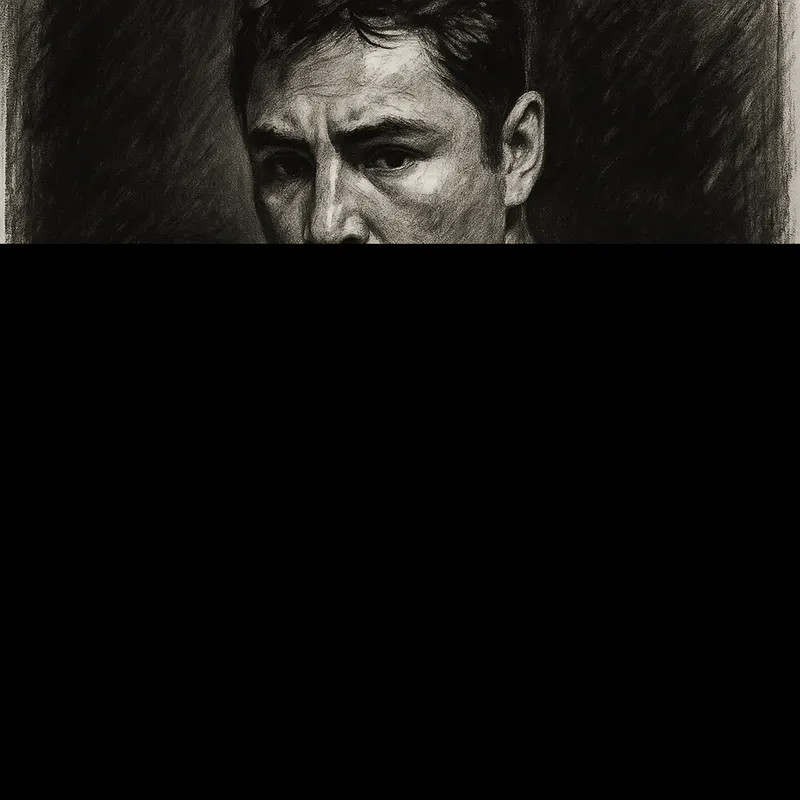
Oscar De La Hoya
The Golden Boy
Bio
Right then — let's give the man his due before we get to the boardroom stuff, because it is easy to forget what Oscar De La Hoya actually was in a ring. Six weight divisions. Thirty-nine wins from forty-five fights, thirty of them inside the distance. An Olympic gold medal in Barcelona in 1992 won as a teenager who had promised it to his mother. There is not a long list of Americans who can match that CV, and most of the names on it are the ones you would put on a Mount Rushmore.
He was a proper fighter, too, not just a face on a poster. That jab was one of the best of his era and the left hook to the body was a genuine fight-ender. What made him box office was that he never ducked a night out: Julio Cesar Chavez, Pernell Whitaker, Felix Trinidad, Shane Mosley twice, Bernard Hopkins, Floyd Mayweather. Some he won, some he lost, and he took every one of them.
The losses are what people remember and that has always felt unfair. Six defeats, and every single one came against a fighter who is either in the Hall of Fame or on his way. Nobody in his generation had a harder ledger. He finished up in December 2008 against Manny Pacquiao and had the good sense not to come back for one more.
Since 2002 he has been a promoter, and Golden Boy Promotions has been one of the loudest voices in American boxing ever since — not always a popular one, but never a quiet one. He built Canelo Alvarez into a global attraction and later fell out with him spectacularly, which is rather the pattern.
These days he is at the centre of boxing's biggest structural row, with Golden Boy pushing back hard against Zuffa Boxing's arrival and the effect it is having on promotional contracts — his fighter Ryan Garcia sitting right in the middle of it. Make no mistake, whatever you think of him as a promoter, De La Hoya is the rare man in this sport who has been the fighter, the star and the businessman. He knows exactly where every body is buried, because he helped bury a few.