INDUSTRY
Ali Revival Act Passes the House — Ted Cruz Now Holds the Keys
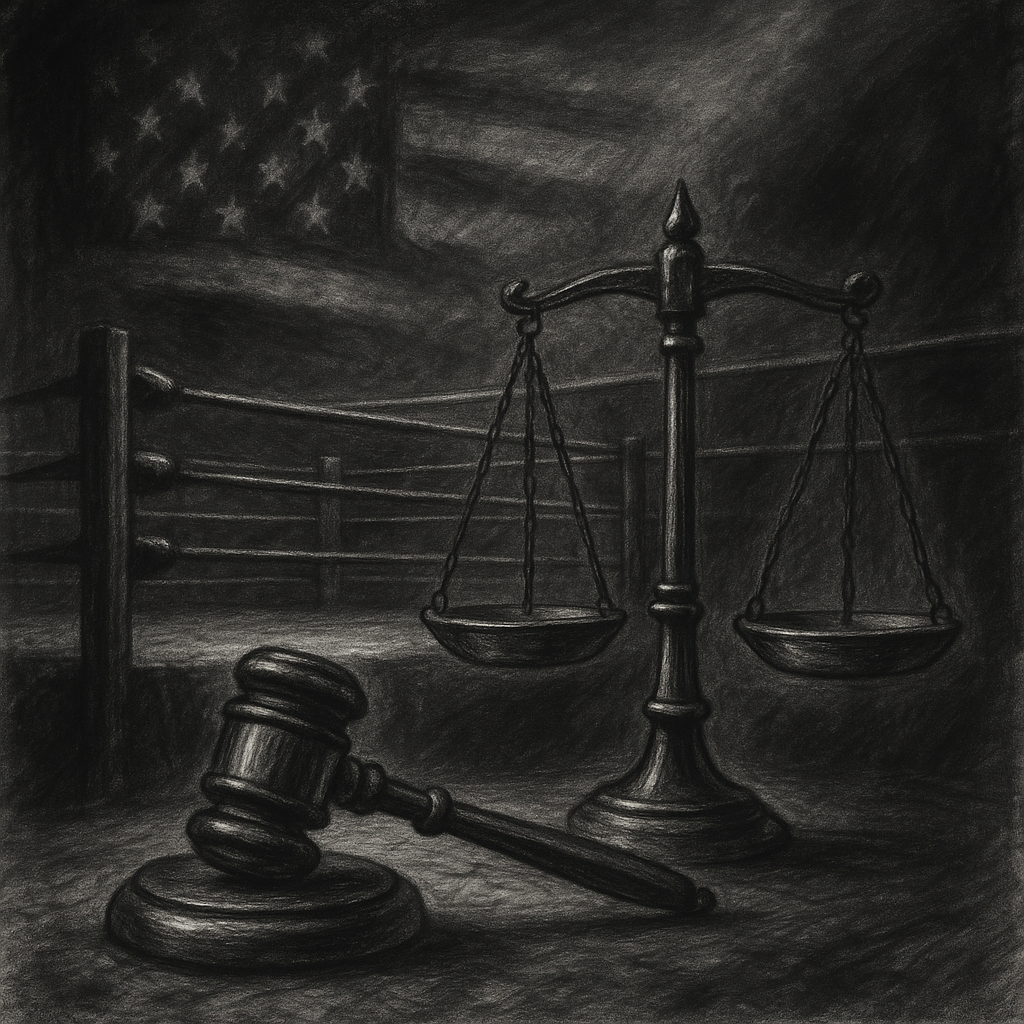
The Muhammad Ali American Boxing Revival Act cleared the House by voice vote on Tuesday, marking the first federal boxing legislation in 26 years. Now it heads to the Senate, where Ted Cruz's Commerce Committee controls whether it even gets a hearing. What happens next could reshape boxing forever.
March 25, 2026
Boxing Lookout
- House passes Muhammad Ali American Boxing Revival Act by voice vote
- First federal boxing legislation in 26 years heads to Senate
- Creates Unified Boxing Organizations (UBOs) modelled on UFC structure
- Ted Cruz controls whether the bill gets a Senate hearing
It Happened — Boxing Just Got Real
The House passed H.R. 4624 on Tuesday by voice vote. Just one audible "no" during the floor debate. Thirty minutes of total discussion. That's how fast the biggest boxing reform in a quarter-century just sailed through Congress.
Let that sink in. The bill that cleared committee 30-4 with bipartisan support has now cleared the House. The hard part is done, right? Wrong. Now it goes to the Senate, and that's where things get properly interesting because Ted Cruz—yes, that Ted Cruz—chairs the Commerce Committee. He controls whether this bill even gets a hearing.
The UBO Model Takes Flight
Here's what just passed: H.R. 4624 creates a new framework called Unified Boxing Organizations (UBOs). Think of them as the UFC model transplanted into boxing. One organization handles promotion, rankings, titles, matchmaking—everything under one roof. No more four sanctioning bodies fighting over legitimacy. No more fragmented landscape. One unified structure.
The bill also includes genuine fighter protections that should have been standard a decade ago. Minimum $200 per round for all professional boxers. Mandatory $50,000 medical coverage per fight. Certified ringside physicians. Anti-doping provisions. These aren't flashy, but they're foundational.
Lonnie Ali, Muhammad's widow, backed the bill. The Association of Boxing Commissions backed it. These aren't fringe endorsements.
The Dangerous Tradeoff Nobody's Talking About
But here's where it gets murky. Bob Arum and others have flagged a serious problem: the bill removes three critical Ali Act protections for fighters who sign with a UBO.
One: coercive contract protections. The Ali Act restricts unfair contract terms. This bill weakens that for UBO signings.
Two: financial disclosure requirements. Fighters currently have a right to see what their promoter makes from their fights. The bill loosens this for UBO contracts.
Three—and this is the critical one—the manager-promoter firewall. The Ali Act explicitly says your manager can't also be your promoter. It's a fundamental conflict-of-interest protection. The bill carves out an exception for UBOs.
That third one matters. That rule exists because history proved it needed to exist. Fighters have been absolutely destroyed by people who claimed to represent them while simultaneously profiting as their promoter. Opening that door again, even in the name of consolidation, is dangerous territory.
Zuffa's Golden Ticket
Let's be clear about who wins here: Zuffa Boxing, Dana White's operation. They already signed a Sky Sports deal. They have the infrastructure. They have the capital. They have the connections. The UBO model doesn't just benefit them—it's essentially designed for them.
Zuffa gets to operate in boxing the way the UFC operates in MMA: consolidated, unified, total control. That's not a bug in the bill. That's the feature. And yeah, it could theoretically clean up boxing's mess. But it also concentrates enormous power in one promotional outfit.
Now Comes Ted Cruz
The Senate needs 60 votes to beat a filibuster. The bill has bipartisan support in the House. But the Senate is a different animal. And more importantly, Ted Cruz chairs the Commerce Committee. That committee controls whether this bill gets a hearing at all.
If Cruz wants this to move, it moves. If he doesn't, it dies quietly in committee. Nobody knows yet what his position is. That's the real story now. The House has passed the baton. The Senate hasn't even started running.
Our Take
The minimum pay and medical coverage provisions? Long overdue. Boxers need a floor. They need protection from catastrophic injury. That's baseline.
But removing the manager-promoter firewall is a genuine problem. The Ali Act wasn't written in a vacuum. It was written in response to decades of fighters getting absolutely mugged. Weakening those protections in the name of modernization is a step backward, even if the consolidation argument has merit.
If this passes the Senate, boxing gets minimum pay, medical protections, and a unified structure. That's real progress on the fighter front. But it also hands more consolidated power to the promotional side. And the question boxing needs to ask is whether those protections are enough to balance the power shift.
Right now, everyone's waiting to see what Ted Cruz does.